
Step into a land where centuries-old traditions ignite in vibrant color, soul-stirring music, and sacred devotion.
Ethiopia’s festivals are not just events; they are living expressions of faith, heritage, and collective joy. They are once-in-a-lifetime experiences that immerse you in a rich culture unlike anywhere else on earth.
From Enkutatash, the Ethiopian New Year, to the dazzling waters of Timket, the blazing bonfires of Meskel, and the deeply moving Genna (Christmas) in Lalibela, every celebration offers a rare and immersive glimpse into Ethiopia’s soul. Often described as an open-air Christian museum, Ethiopia preserves over 2,000 years of continuous Christian heritage, making every celebration a journey through living history.
Traveling through Ethiopia is more than simply seeing remarkable places—it is about feeling their spirit, embracing their stories, and carrying their echoes long after the journey ends.
Enkutatash – Ethiopian New Year
Enkutatash marks the first day of the Ethiopian calendar and ushers in a season of renewal and hope. Each year is named after one of the four Evangelists—St. Matthew, St. Mark, St. Luke, and St. John—rotating in a four-year cycle.
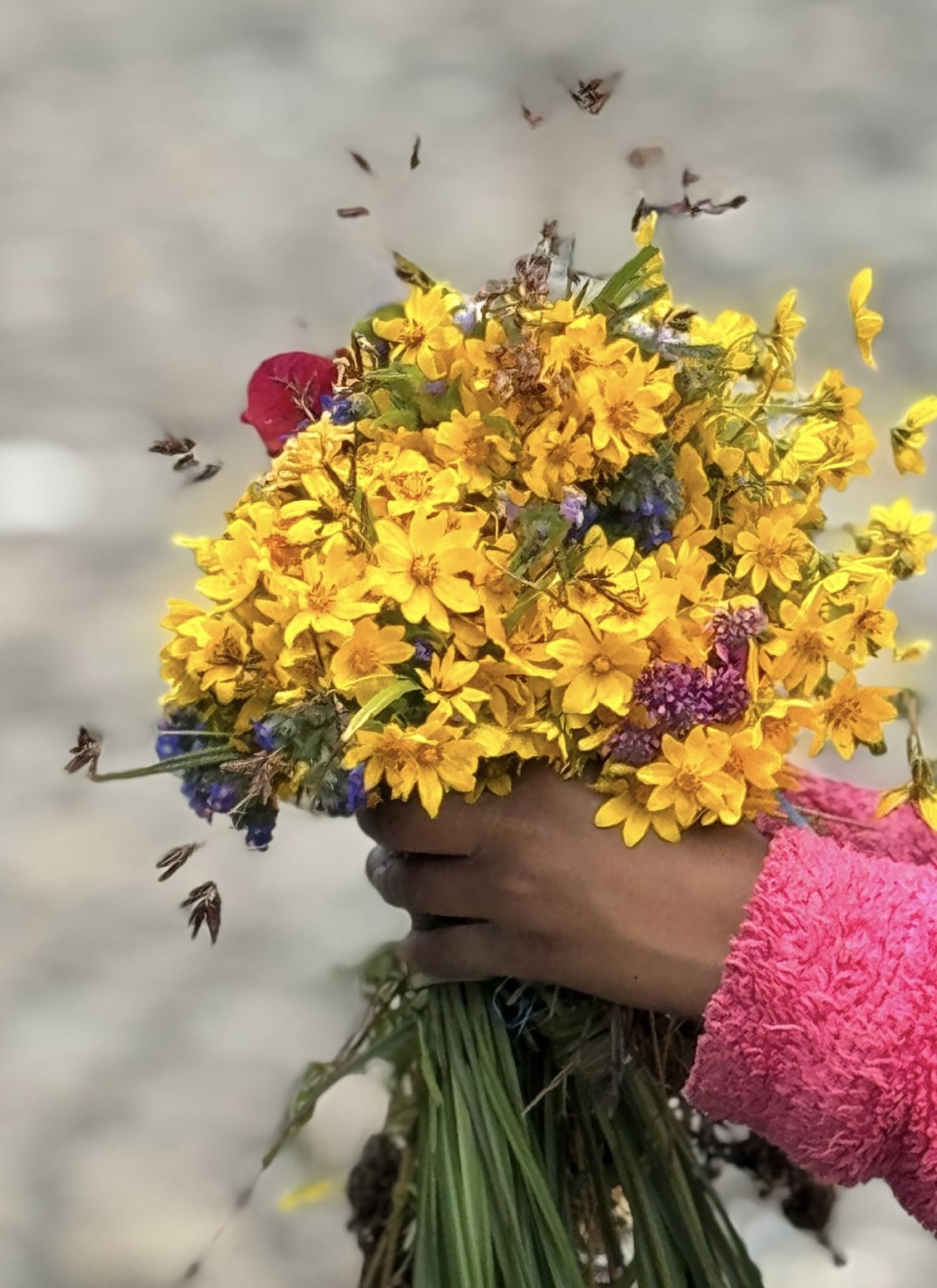
This joyful public holiday is celebrated on September 11 (or September 12 in a leap year). It marks the end of the rainy season and the beginning of bright, sunny days—a symbolic transition from darkness to light. Families and friends exchange gifts and warm wishes. The entire month of Meskerem is infused with happiness and renewal. Homes are decorated with bright yellow daisies called Adey Ababa, and traditional coffee ceremonies bring people together.
Across the country, special church services are held, culminating in the New Year mass. Following the service, the chief priest reads the calendar for the year, calculated using an ancient system called Bahire Hasab, which determines the dates of religious festivals and fasting periods.
Meskel – The Festival of the True Cross (Sept 26–27)
Meskel, meaning “Cross,” is one of the most spectacular festivals. It commemorates the discovery of the True Cross—upon which Jesus Christ was crucified—by St. Helena, the mother of Emperor Constantine.
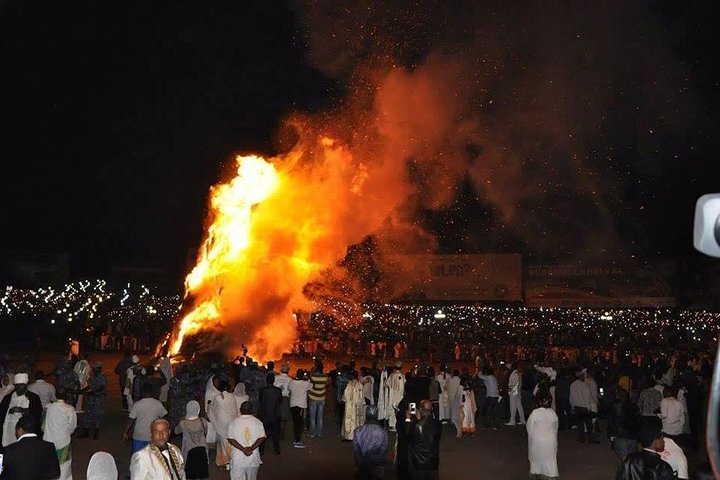
People gather in towns and villages, carrying bundles of sticks called chibo to build a large bonfire known as the Demera. The structure is beautifully adorned with yellow Meskel flowers before being ceremonially set ablaze. Priests lead solemn prayers and chant ancient hymns, followed by joyful processions as worshippers circle the blazing fire, singing and celebrating together. The lighting of the Demera is believed to symbolize divine revelation and spiritual illumination.
Hidar Tsion – Pilgrimage to Axum (Nov 30)
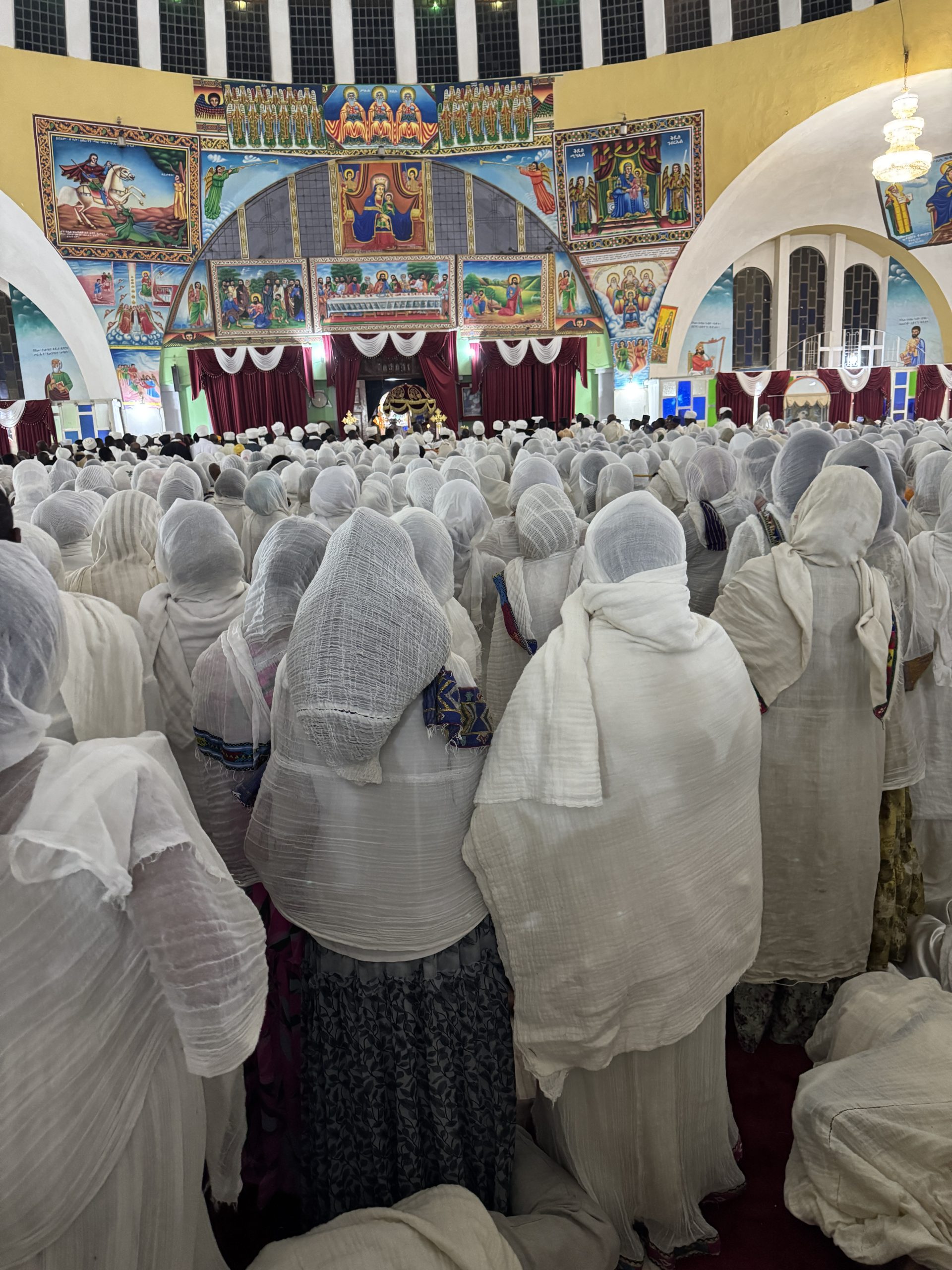
Join thousands of worshippers at the Church of St. Mary of Zion, where the Ark of the Covenant is believed to rest. This is a sacred day of prayer, gratitude, and blessings in Ethiopia’s ancient capital. Pilgrims from all over the country gather to give thanks and fulfill vows.
The atmosphere is deeply moving—filled with devotion, chanting, and moments of profound reflection as believers gather within and around the revered Mariam Tsion church. Once among the great powers of the ancient world in the 4th century, Axum remains a living symbol of Ethiopia’s spiritual legacy.
Genna – Christmas in Lalibela (Jan 7)
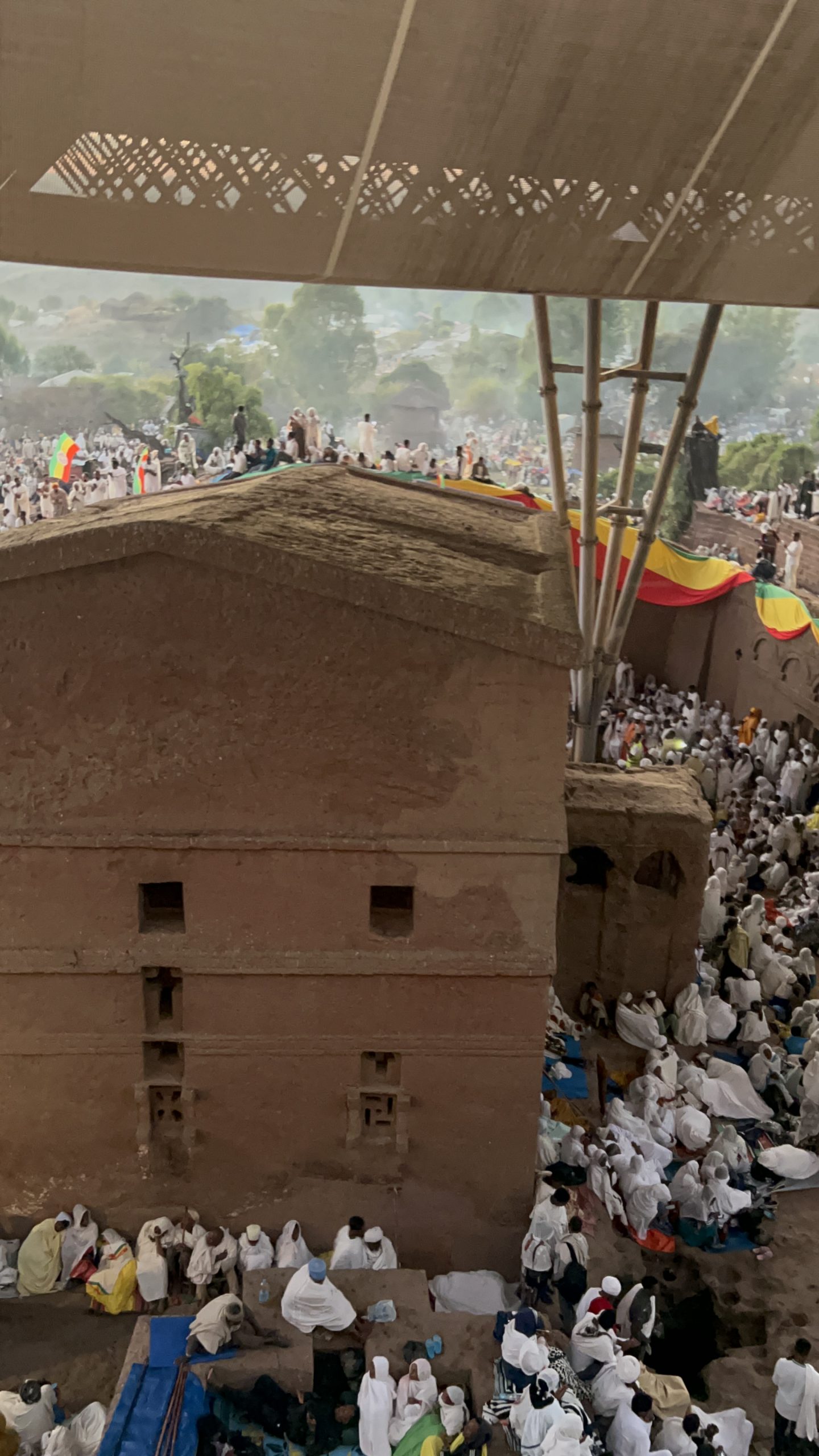
Celebrate the birth of Christ in the extraordinary setting of Lalibela’s awe-inspiring rock-hewn churches. Experience candlelit processions, spiritual chants, and centuries-old rituals at one of Christianity’s most sacred sites.
Genna in Lalibela holds special significance, as it also commemorates the birth of Saint King Lalibela, making it a double celebration honoring both Christ and the saint.
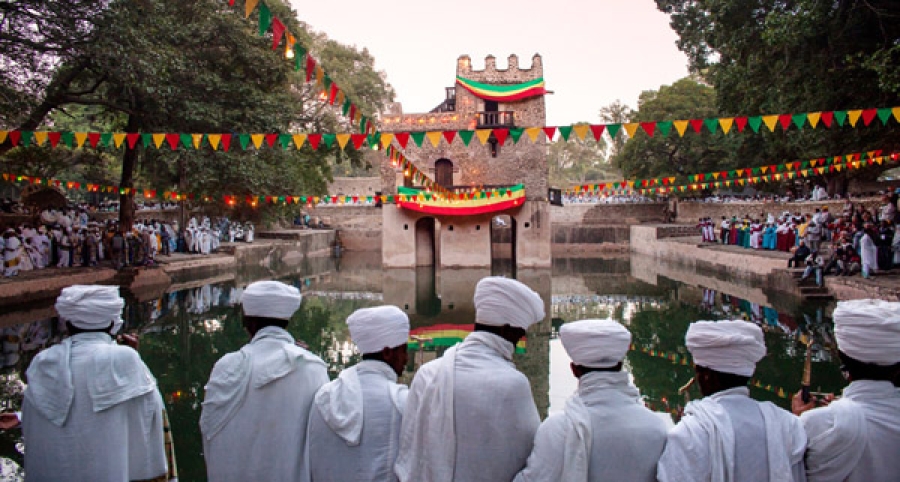
Timket – The Epiphany Celebration (Jan 19–20)
Experience the reenactment of Christ’s baptism in the historic cities of Gondar, Axum, and Lalibela. The most spectacular celebrations happen in Gondar, where the festivities begin on the eve of Timket, known as Ketera, with grand, colorful processions.
During the celebration, the sacred Tabot (a replica of the Ark of the Covenant) is carried through the streets, followed by crowds singing, dancing, and chanting. Gondar, with its majestic castles and UNESCO World Heritage status, offers a magical backdrop for this spiritual and cultural spectacle. Streets are decorated in the green, yellow, and red of the Ethiopian flag, while priests carry ornate umbrellas, adding to the festive spirit.
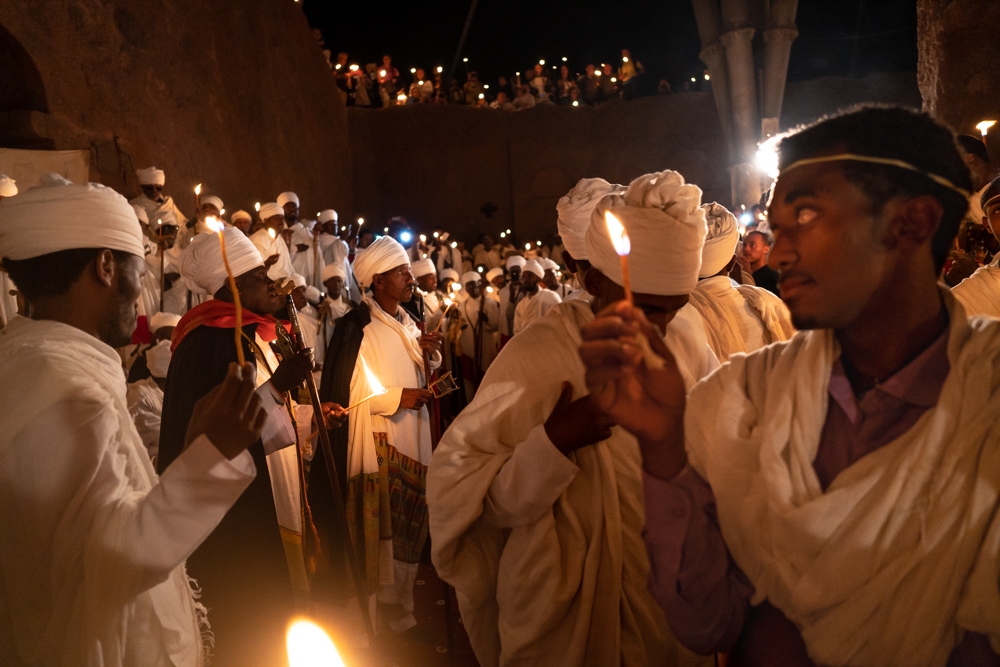
Fasika – Ethiopian Easter (Date Varies)
After 55 days of fasting, Fasika culminates in a night of prayer, candlelight, and feasting. It is one of Ethiopia’s most revered and moving religious celebrations. The festivities in Lalibela are especially moving, drawing both local worshippers and international visitors.
On Easter Eve, the church service begins at 7:00 PM and continues until 3:00 AM. Throughout the night, priests chant and pray, while pilgrims hold flickering wax candles, symbolizing the resurrection of Christ. After the service, families break their fast with a traditional meal of Doro Wot (spicy chicken stew).
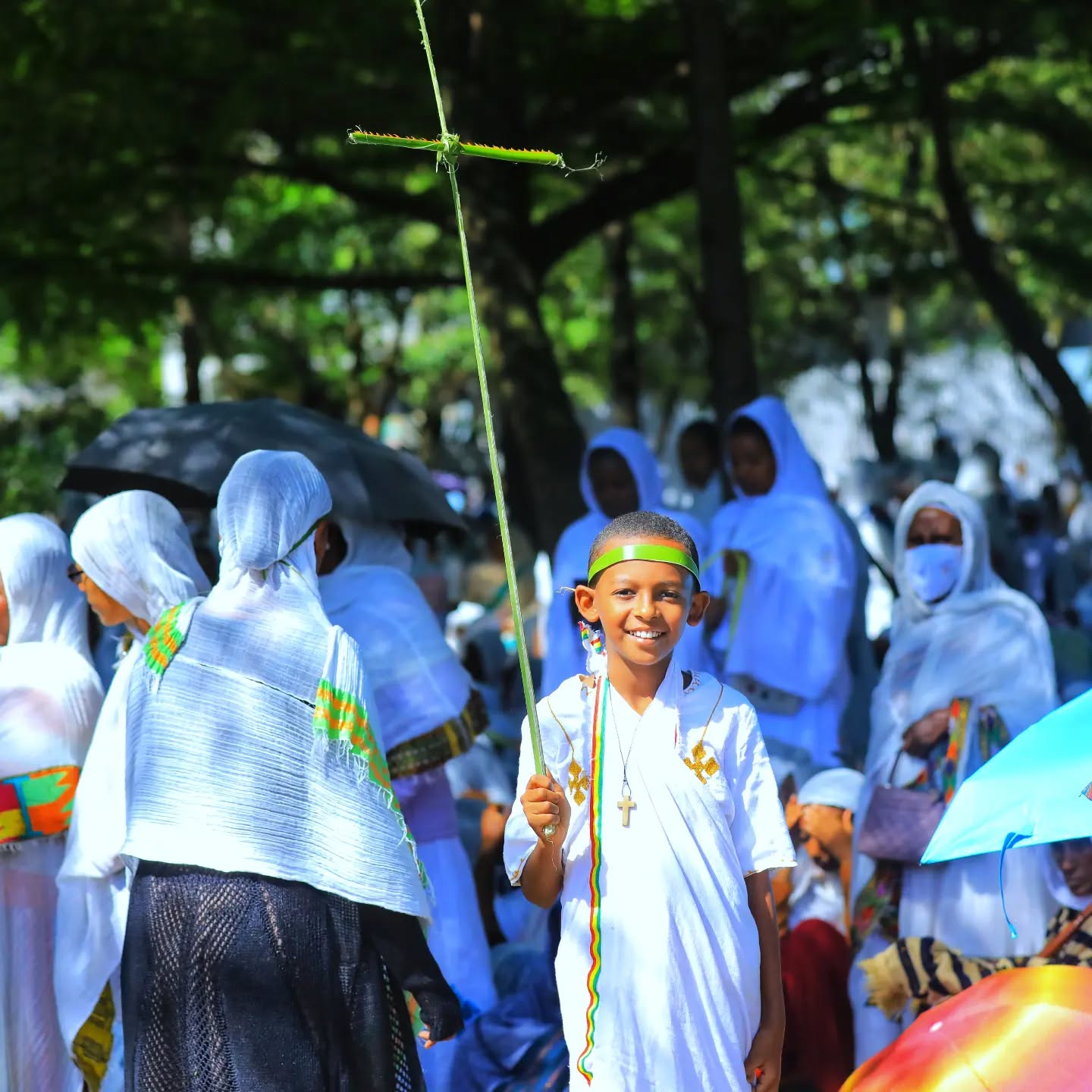
Hosanna – Palm Sunday (One week before Easter)
Hosanna commemorates Jesus’ triumphant entry into Jerusalem and marks the beginning of Holy Week. The day is celebrated with joyful processions, the waving of palm leaves, and uplifting liturgical music.
The celebration is especially memorable in the holy town of Lalibela, where worshippers gather for vibrant ceremonies. The rock-hewn churches and surrounding pathways come alive with sacred chants, prayer, and ritual practices passed down through the centuries.
Ready to experience the spirit of Ethiopia?